
Andy Ezeani
Tuesday, April 7,2026
The notion of Nigeria as a vast stretch of naturally endowed real estate to which some persons hold the proprietary right is as abstract as it often appears real. Modern states are not owned that way,though.
Sovereignty now resides with the people, especially in societies under liberal democracy.
But then, Nigeria is a creation of Britain. The far-reaching connection between the progenitor and her descendant endures, and that has various implications.
Britain, if it bears a reminder, established its global prominence or notoriety in history through wandering across oceans and distant lands, forcefully proclaiming other people’s territories, the colonies and acquisition of its potentate at home.
What became Nigeria was one of those British colonies. The colonial hegemony may have formally ended decades back, yet the influence of the colonialist on the colonized remains no less potent.
The emergence of the contemporary political elite in Nigeria and indeed the African continent, as a veritable nemesis of the larger society, can easily be traced to a culture of predation that nurtured them.
It could not have been worse that a series of military dictatorship set in soon after the departure of the colonialists. The bankruptcy of the political leadership that the Nigerian society has contended with over the years, including under the deceptive cloak of democracy, often reflects the burden the stretch of colonial-military superintendencies bequeathed the society.
The losers are, of course, the citizenry. With their voices suppressed, their patrimony expropriated and their rights largely undermined, they are often left to be seen and not heard in matters relating to how they are governed, even in democracies.
Interestingly, a combination of the mischievously constructed political structure that the British left behind and a run of audacious military dictatorship over many years, created an impression that there are,in reality, those who own Nigeria, beside the generality of the citizens.
The idea of owners of Nigeria was given vent by unrestrained expropriation of the sovereign rights and resources of the people by those who seized and presided over their affairs over time.
As the consciously curated impression was presented, there are a group of few individuals, mostly retired military chieftains, who ultimately determine who emerges the political leaders in the country. The group also determines what the structure of the country will be, as well as the direction major state policies go.
The larger society can occupy itself with democratic processes and the noises attendant to them, but the owners of Nigeria ultimately make the policy choices when all is said and done. Somehow, the impression that such a privileged group of small powerful potentates were in existence, and at work, had appeared probable, afterall Nigeria remains in the throes of what the literary giant and politician, Professor Ihechukwu Madubuike aptly referred to as the “Lugardian hubris”.
The extent of the mischievous twist in Fredrick John Lugard’s administrative sorcery as Governor-General of Nigeria, Madubuike said, “explains why the country where he applied his administrative principles has continued to wobble” (Nigeria and the Lugardian Hubris).
If, indeed, there exist owners of Nigeria, as the impression had been created, and they have been exerting their weight in determining the trajectory of Nigerian politics, the question now is, where are they?
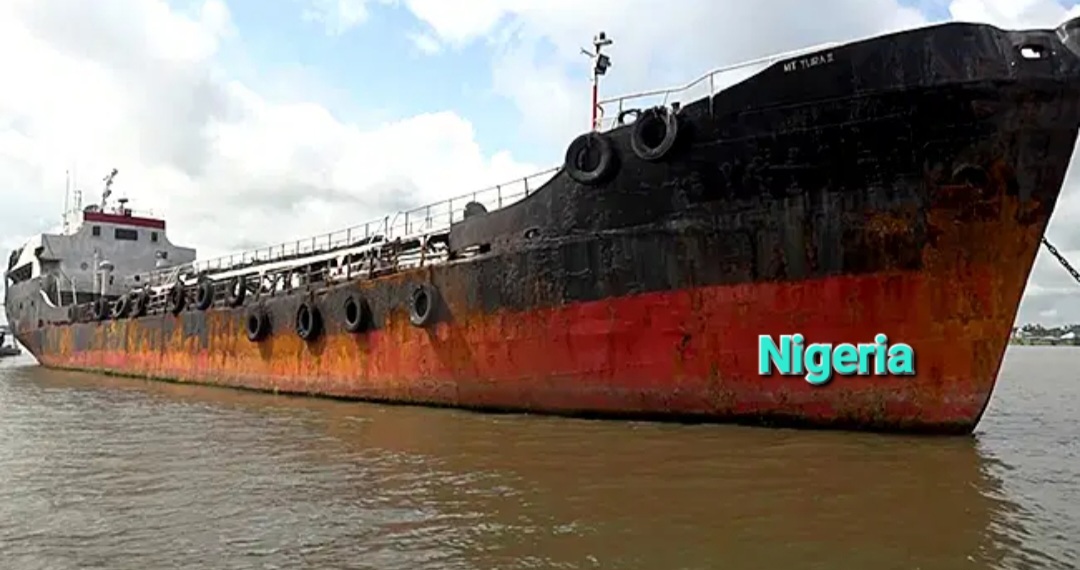
The ship of the Nigerian state is floundering as never before, and danger does not seem too far away. Of what value is ownership of a ship that is heading towards the rock?
The present unrelenting decimation of the institutions of the state, established by law to maintain checks and balances, foretells further danger for Nigeria. There is no doubt anymore that what is playing out in national politics on the way to the 2027 elections was planned from the onset once Bola Tinubu gained ascendance to the presidency.
The preference for compromised individuals for the headship of critical arms of the governments could only be strategic, albeit darkly so.
Nigeria is unraveling at a rather unbelievable speed. It may yet endure. However, the country needs all those who claim, no matter how fancifully or substantially, to have proprietary rights to the troubled estate to step forward before it is too late.
The unrestrained killings of innocent Nigerians in their numbers across many state ought, ordinarily, to be the primary concern of the government at the moment. Sadly, it is not so. Worse still, the terrorists and killers are contemptuous of Nigeria’s commander-in-chief. Any time the President dares to warn the terrorists, they respond with a more ferocious attack soon after. It is high time President Bola Tinubu and his government sought the help and intervention of retired military leaders, who have often been identified with the club of the owners of Nigeria.
Against the backdrop of Tinubu’s prowess in strategic thinking, as touted by his liege men, his approach to governance, especially critical matters that require concerted efforts, is, at best, perplexing.If he can round up virtually all the state governors, as he has successfully done, and corral them behind him for a general election, why can’t he use the same wand to deploy the same governors to their respective domains, to lead a charge against the forces determined to decimate communities and residents of the states?
Beyond insecurity, developments in the political environment call for the intervention of all statesmen of goodwill in the country presently. Tinubu’s chosen strategy for prevailing in the upcoming electoral contest foretells crisis. The sooner he discards the strategy manual he is using at the moment, the better for all. The Museveni or Paul Biya models of how incumbents will elections will not thrive in Nigeria.
There is no doubt that Tinubu is in trouble. So too, Nigeria. The zero-sum approach he is pushing in politics offers no promising outcome.
The owners of Nigeria, whoever they are, and whatever they represent that is wholesome, should step out and help to pull back the country from the brinks. None of the steps being taken at the moment by the Tinubu government, whether in politics or in security, point to redemption. Forget grandstanding, the captain is losing grips of the game.
